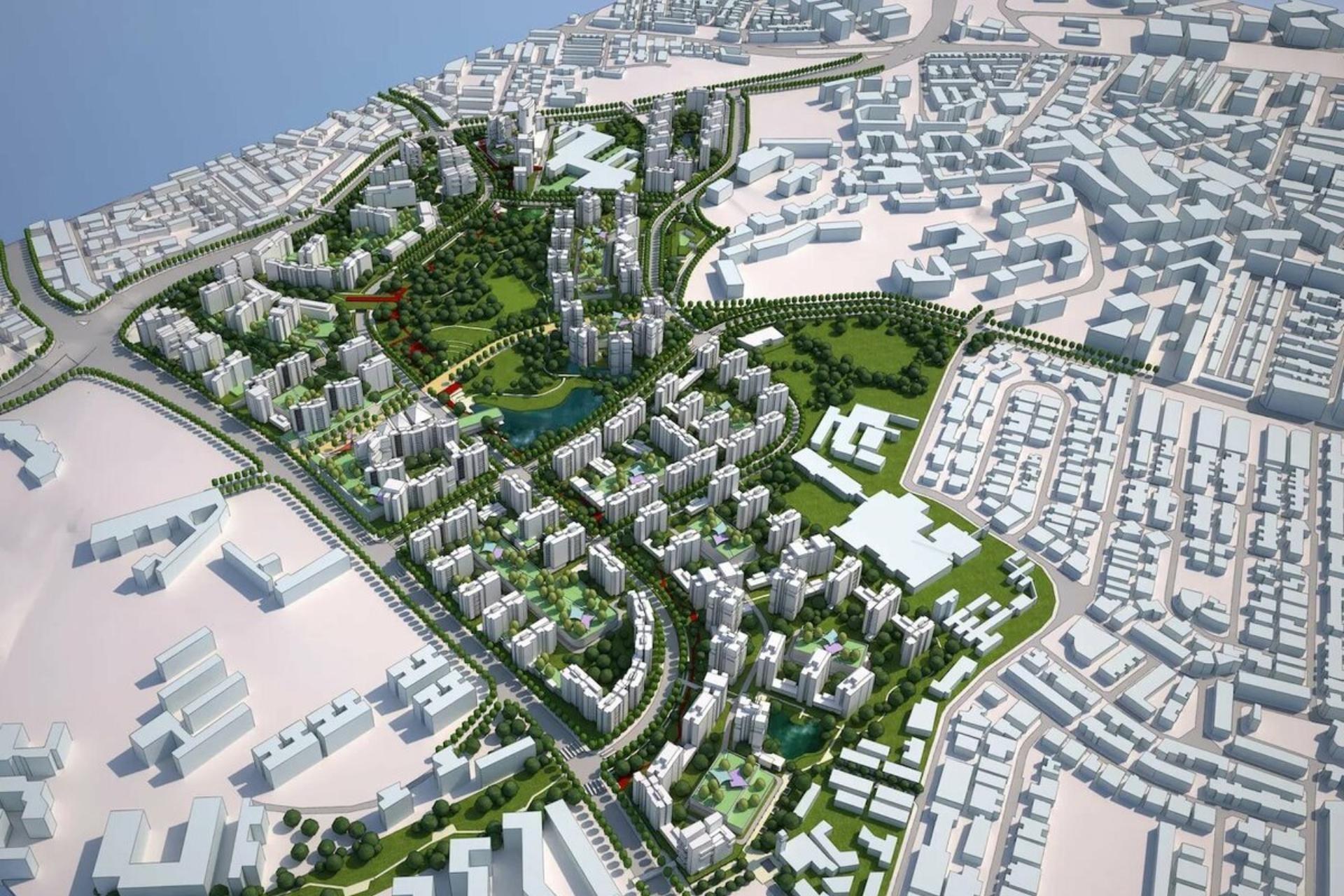
From Concept to Cityscape: GeoShape's Platform for Comprehensive Project Analysis
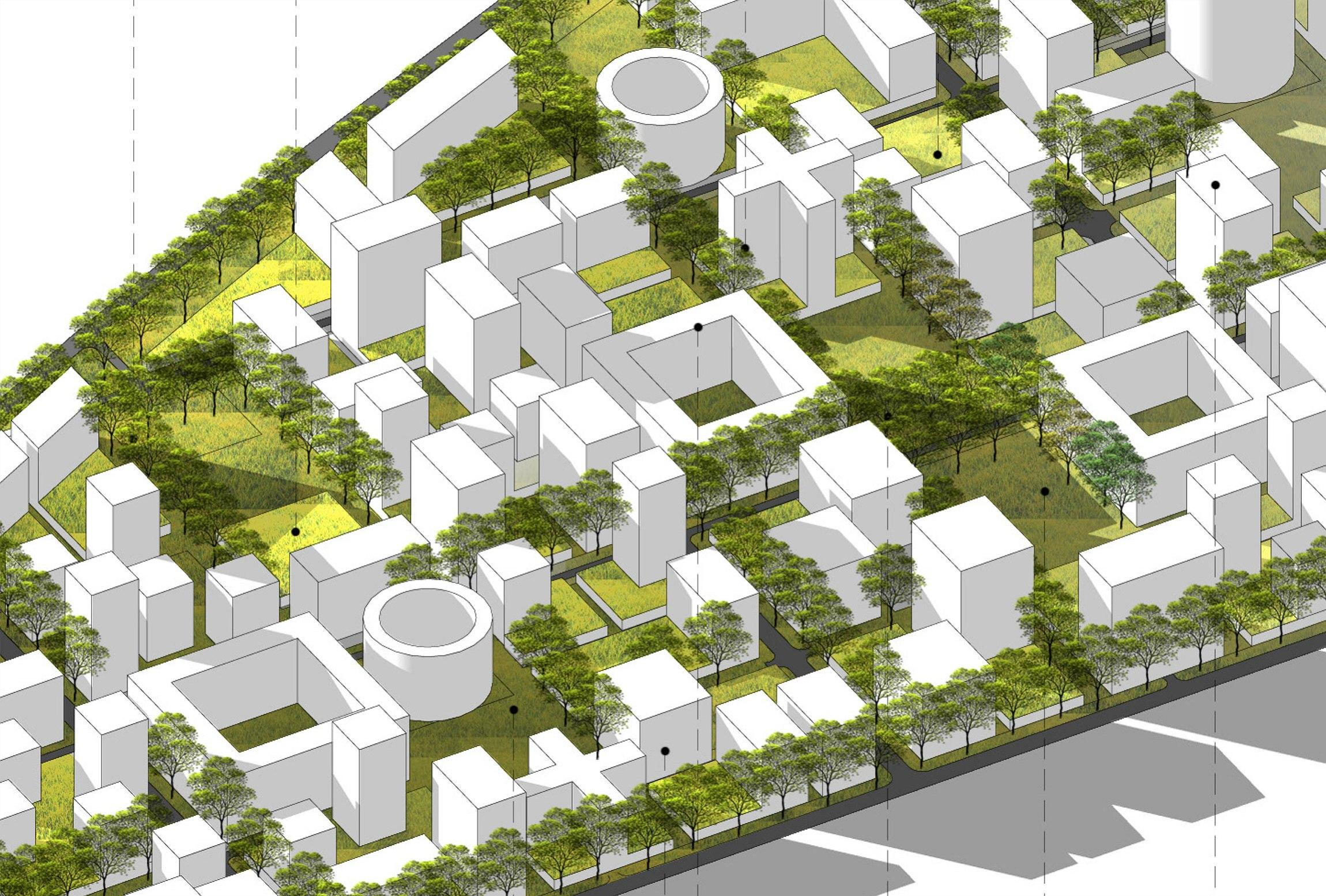
GeoShape has successfully completed a significant technical upgrade to its core platform, integrating a suite of advanced analytical tools designed to facilitate comprehensive project analysis. This enhancement provides users with refined capabilities for evaluating urban development initiatives, spanning from initial conceptualization through to detailed cityscape integration. The update focuses on delivering a more cohesive and insightful overview of complex spatial and operational data, crucial for modern infrastructure and planning projects.
Prior to this implementation, project stakeholders often encountered challenges related to data fragmentation and the manual aggregation of disparate information sources. Existing analytical workflows frequently lacked real-time visualization and interactive scenario modeling, which could lead to prolonged decision cycles and the potential for overlooking critical interdependencies within large-scale developments. These limitations sometimes hindered the agile adaptation required for dynamic urban planning environments.
The development of these new capabilities involved an intensive research and development phase, followed by an iterative design and engineering process. GeoShape's engineering teams collaborated closely to build robust data processing pipelines and intuitive user interfaces. A comprehensive testing regimen, including internal quality assurance and controlled beta programs with selected partners, was conducted to validate functionality and performance under various operational loads. The subsequent launch followed a carefully managed deployment strategy, ensuring seamless integration for all platform users. 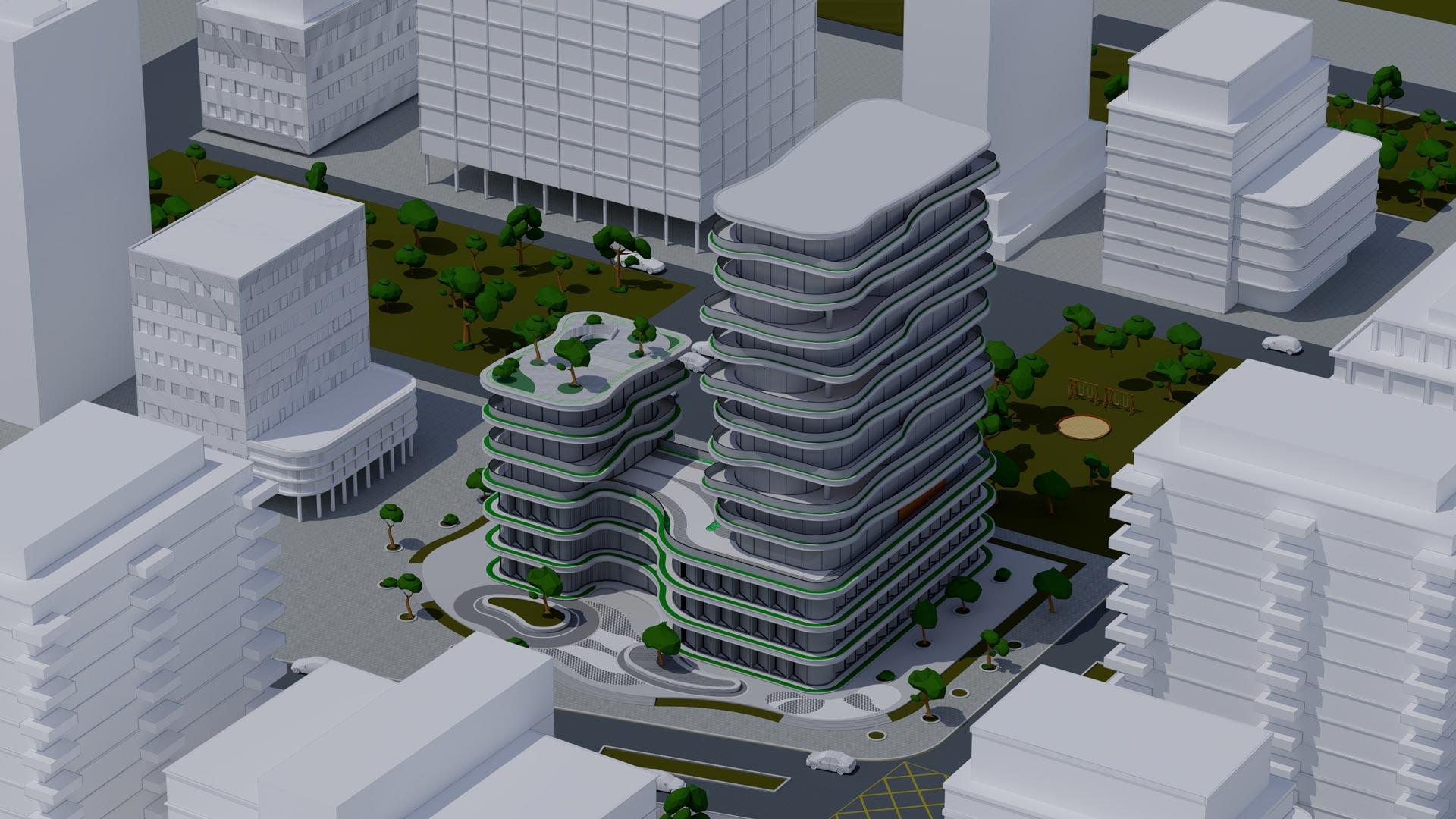
This technical evolution has had a noticeable impact on internal project management and client engagement. Teams now benefit from a unified analytical environment, fostering enhanced collaboration and enabling more data-informed discussions across disciplines. Clients, including urban planners, architects, and infrastructure developers, can leverage the platform for more precise impact assessments, optimized resource allocation, and clearer communication of project visions to stakeholders. This facilitates a more proactive approach to problem-solving and strategic planning.
The initial operational data indicates several positive outcomes. Users are experiencing enhanced data processing efficiency and a reduction in the time required to generate complex analytical reports. The platform's ability to model intricate scenarios with greater accuracy contributes to more informed decision-making. Overall, the update delivers an improved user experience through its streamlined interface and expanded analytical depth, supporting more effective project lifecycle management. Key benefits observed include:
- Enhanced data processing efficiency
- Accelerated report generation
- Greater precision in scenario modeling /ul>


Sawyer Wallace
This sounds like a very useful update. The fragmentation of data was a real bottleneck for our team, so a unified environment could significantly improve our workflow efficiency. Looking forward to exploring the new analytical tools.
Ruby Sandoval
Thank you for your feedback. We designed this update specifically to address those challenges and enhance data cohesion across projects. We believe the new tools will indeed provide substantial benefits to your team's efficiency.
Diana Rose
It's good to hear about the new capabilities for project analysis. I'm curious about the learning curve for the new interface and how quickly existing users can adapt to the updated features.
Kirk Palmer
We've prioritized an intuitive design for the updated interface to minimize the learning curve. Comprehensive documentation and training resources are available to assist users in adapting to the new features effectively.