Urban Intelligence: How Integrated Data Shapes the Next Generation of Cityscapes
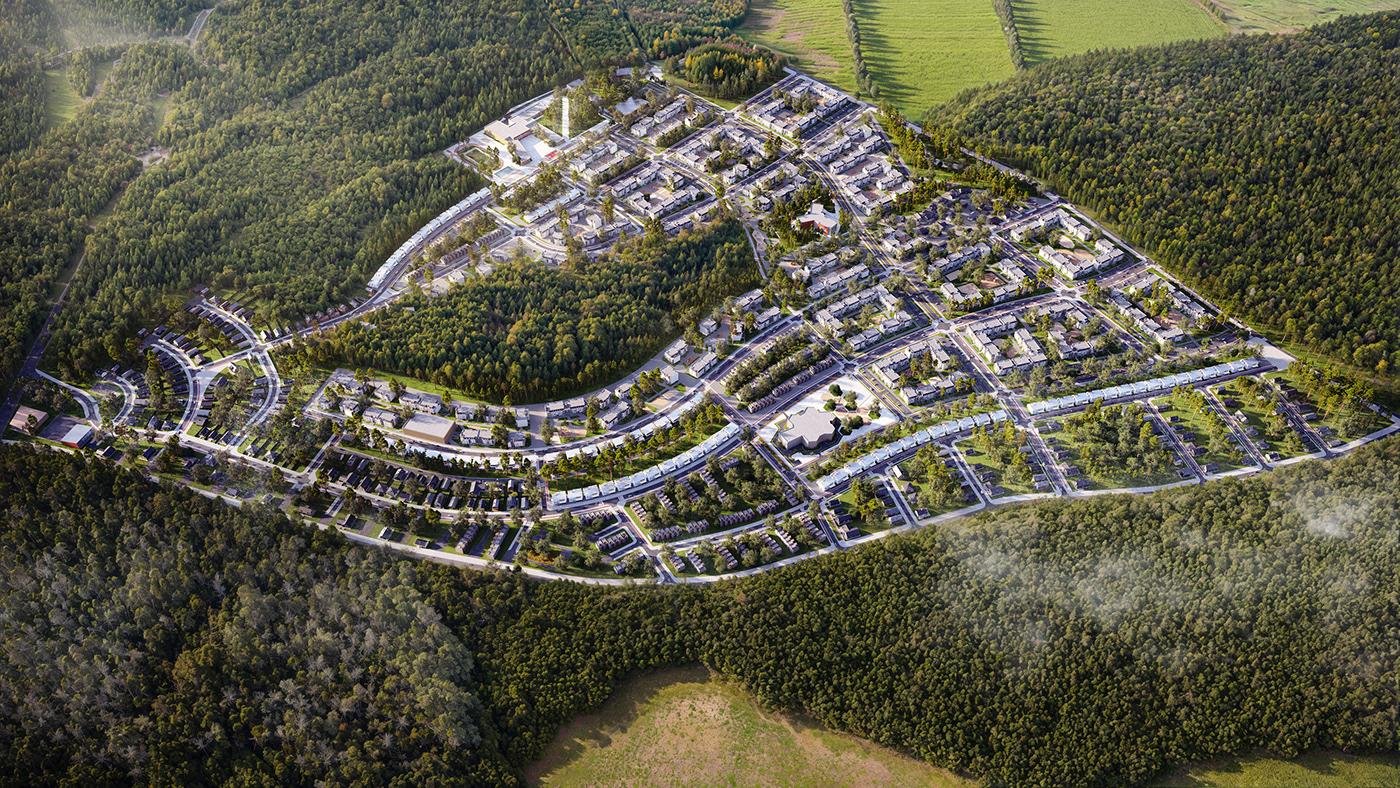
GeoShape announces the successful implementation of its new Integrated Urban Data Fabric, a technical upgrade for urban intelligence platforms. This system unifies disparate data streams from municipal sources into a single, accessible, high-performance architecture. It provides a robust backbone for advanced analytics, predictive modeling, and real-time operational insights vital for city management.
Previously, urban data ecosystems faced limitations from fragmented information. Challenges included data silos, inconsistent formats needing manual preprocessing, and latency in data aggregation. These issues hindered cross-domain analysis, leading to incomplete insights and prolonged decision-making. The prior infrastructure also posed scalability constraints and increased operational overhead.
The Fabric's realization involved multi-phase development. Initial R&D focused on architecting a scalable, modular system for diverse data ingestion (sensors, administrative records). Agile sprints built pipelines, APIs, and normalization protocols. Rigorous testing covered unit, integration, and performance. The phased launch ensured minimal disruption while migrating data sources and validating stability. 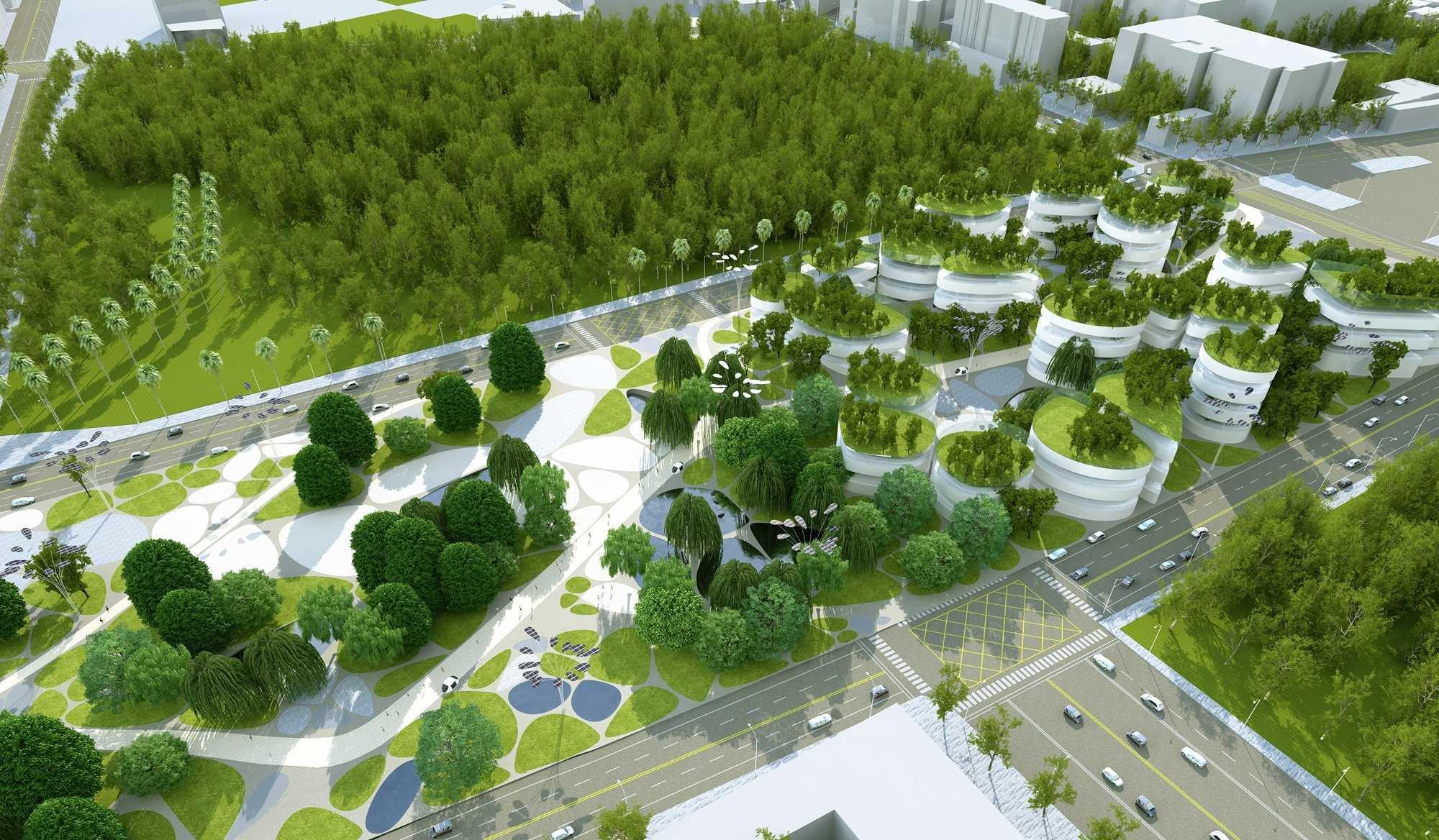
Internally, this update streamlined data engineering workflows, freeing teams for advanced analytics. For clients—municipal authorities and urban development agencies—the impact is substantial. They gain a cohesive, timely understanding of urban phenomena: traffic, environment, public service utilization. This unified data empowers informed strategic decisions, optimized resource allocation, and greater agility in responding to urban challenges.
Outcomes include improved data processing speeds, reducing time for complex urban reports. Predictive model accuracy is enhanced due to richer, consistent data, leading to reliable forecasts for urban growth and infrastructure. The consolidated data environment simplifies access, improving data governance and convenience. This strategic enhancement positions GeoShape at the forefront of urban data integration, supporting intelligent cityscapes.